

How Often Should You Water Houseplants in Winter? (Simple Guide)
Winter plant care throws off even experienced plant parents. Your snake plant that loved weekly waterings all summer suddenly starts looking sad. Your pothos seems fine for weeks, then droops overnight. Here's the thing: winter changes everything about how often your plants need water.
Most indoor houseplants slow way down when temperatures drop and daylight shrinks. They're basically taking a nap, which means they need much less water than during their active growing months.
The Winter Watering Rule
Water every 10-21 days instead of your summer schedule. That's it. If you were watering weekly from spring through fall, you'll probably water every two to three weeks in winter.
But here's what matters more than any schedule: check your soil before every watering. Schedules are guidelines. Your plant's actual needs are what count.
How to Tell If Your Plant Needs Water
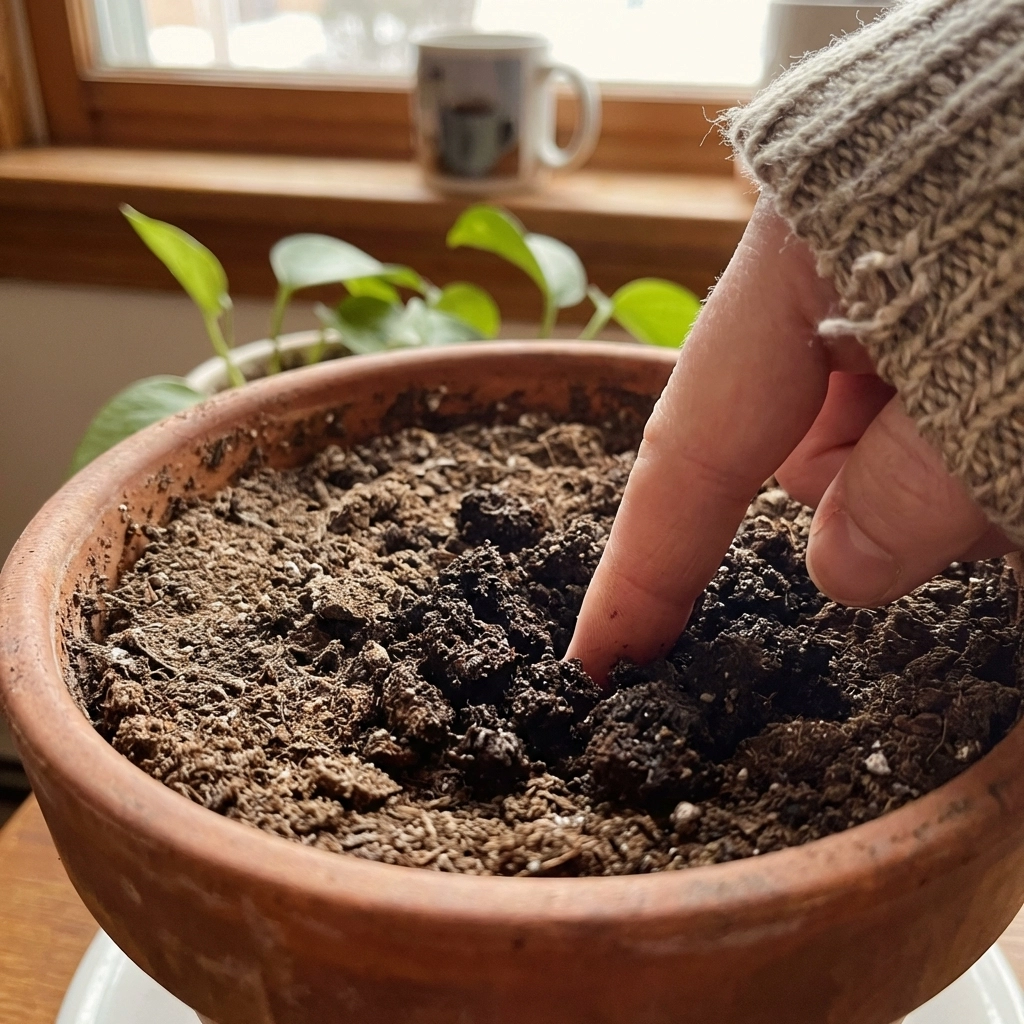
Forget the calendar. Your finger is the best tool for knowing when to water.
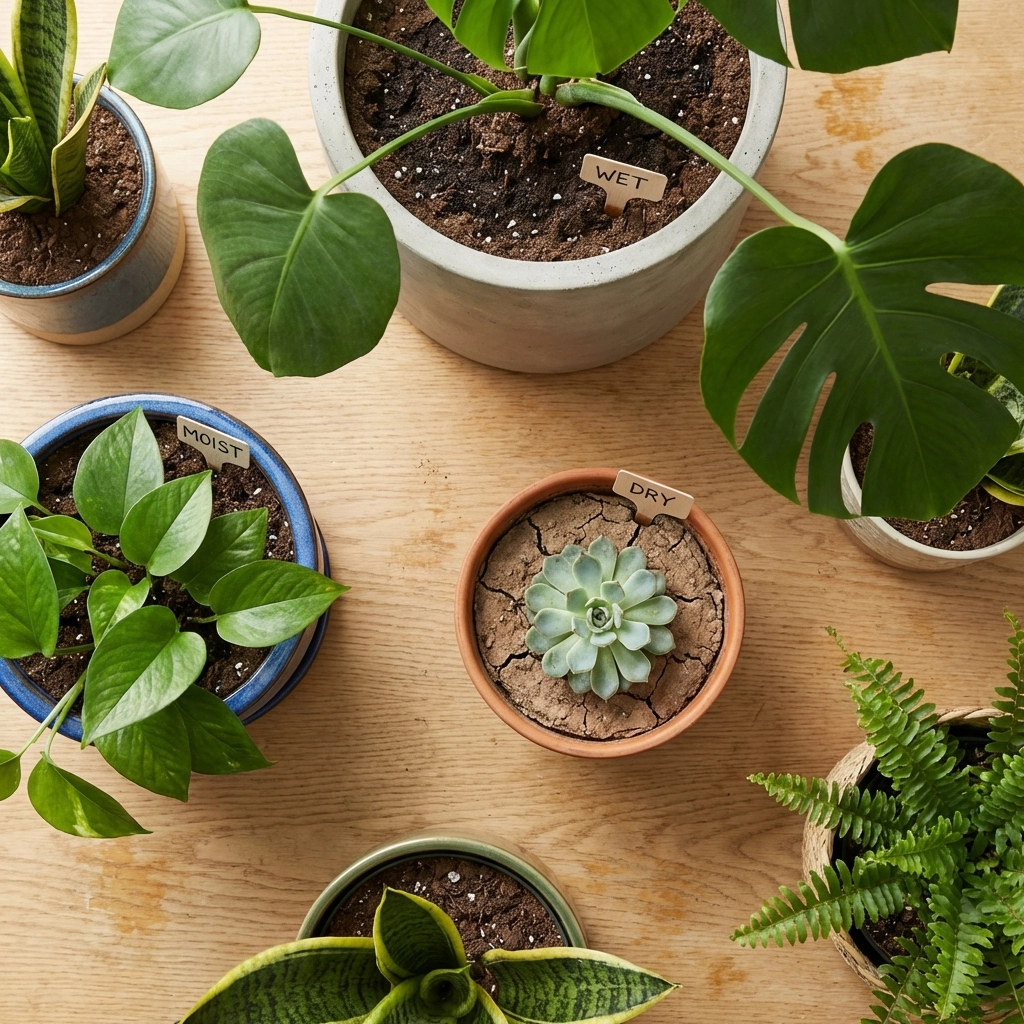
Stick your finger into the soil about 1-2 inches deep. If it feels dry at that depth, it's time to water. If it's still moist, wait a few more days and check again.
The surface might look bone dry, but the soil underneath could still be damp. Surface dryness in winter is deceiving because indoor heating can dry out just the top layer while leaving moisture below.
Other signs your plant needs water:
Leaves feel soft or look slightly wrinkled
Plant feels lighter when you lift the pot
Soil pulls away from the edges of the pot
Leaves start to droop slightly
Signs you're watering too much:
Yellowing leaves, especially from the bottom up
Soft, mushy stems
Fungus gnats flying around the soil
Musty smell from the soil
Step-by-Step Winter Watering
When you do water, do it right:
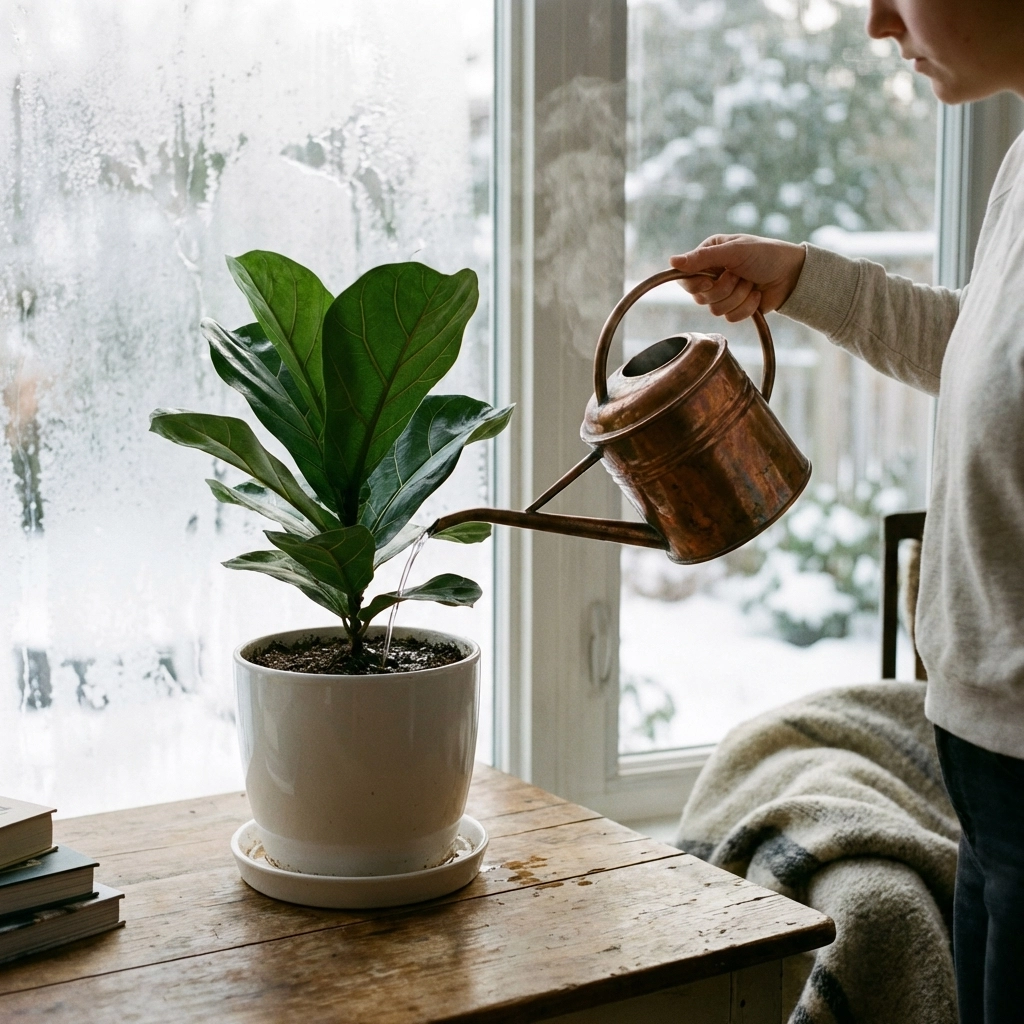
1. Use room temperature water. Cold water shocks plants that are already in rest mode. Fill your watering can and let it sit for a few hours to reach room temperature.
2. Water thoroughly but slowly. Pour water evenly over the soil surface until you see it draining from the bottom holes. This ensures water reaches all the roots, not just the top layer.
3. Let excess water drain completely. Empty the saucer or cache pot after 30 minutes. Standing water leads to root rot, especially in winter when plants can't use up moisture as quickly.
4. Water less volume overall. If you normally use a full watering can, try using about 75% of that amount in winter. Less frequent, smaller amounts work better than heavy soakings.
Common Winter Watering Mistakes
Sticking to your summer schedule. Just because your plant loved weekly waterings in July doesn't mean it needs them in January. Plants don't read calendars.
Watering because the surface looks dry. That crusty top layer doesn't tell you what's happening deeper in the soil where the roots live.
Forgetting to adjust for heating systems. Forced air heat dries out plants faster than other heating methods. If your plants sit near heat vents, they might need water more often than plants in cooler spots.
Using ice cubes or very cold water. Some people think ice cubes are a convenient way to water slowly, but cold water stresses winter plants. Room temperature is always better.
Different Plants, Different Needs
Not every plant follows the same winter watering pattern:
Succulents and cacti might go a month or more between waterings. Their thick leaves and stems store water, so they're fine with long dry spells.
Tropical plants like pothos and philodendrons still need regular moisture but less frequently. Every 10-14 days is usually right.
Plants in terracotta pots dry out faster than those in plastic or ceramic because clay is porous. Check these more often.
Large plants in big pots hold moisture longer than small plants in small pots. A big fiddle leaf fig might go three weeks, while a small plant in a 4-inch pot needs water every 10 days.
Signs You Need to Adjust Your Schedule
Your plants will tell you if your winter watering routine isn't working:
If leaves turn yellow and drop: You're probably watering too often. Yellow leaves, especially if they feel soft or mushy, usually mean too much water.
If leaves wilt and feel papery: You're waiting too long between waterings. Increase frequency slightly.
If growth completely stops and leaves look dull: This is normal winter behavior. Don't try to "wake up" your plant with more water. Less is more during dormant months.
If you see fungus gnats: These little flies love wet soil. Let your plant dry out more between waterings.
Keep Track of Your Watering
Winter watering happens less often, which makes it easier to forget when you last watered each plant. Keep a simple log or use your phone's notes app to track watering dates.
Write down:
Plant name and location
Date you watered
How the soil felt before watering
Any changes you notice in the plant
This helps you spot patterns and adjust your routine for each plant's specific needs.
What About Humidity?
Watering isn't just about soil moisture. Winter air is dry, especially with heating systems running constantly. Your plants still need humidity even when they need less water in their soil.
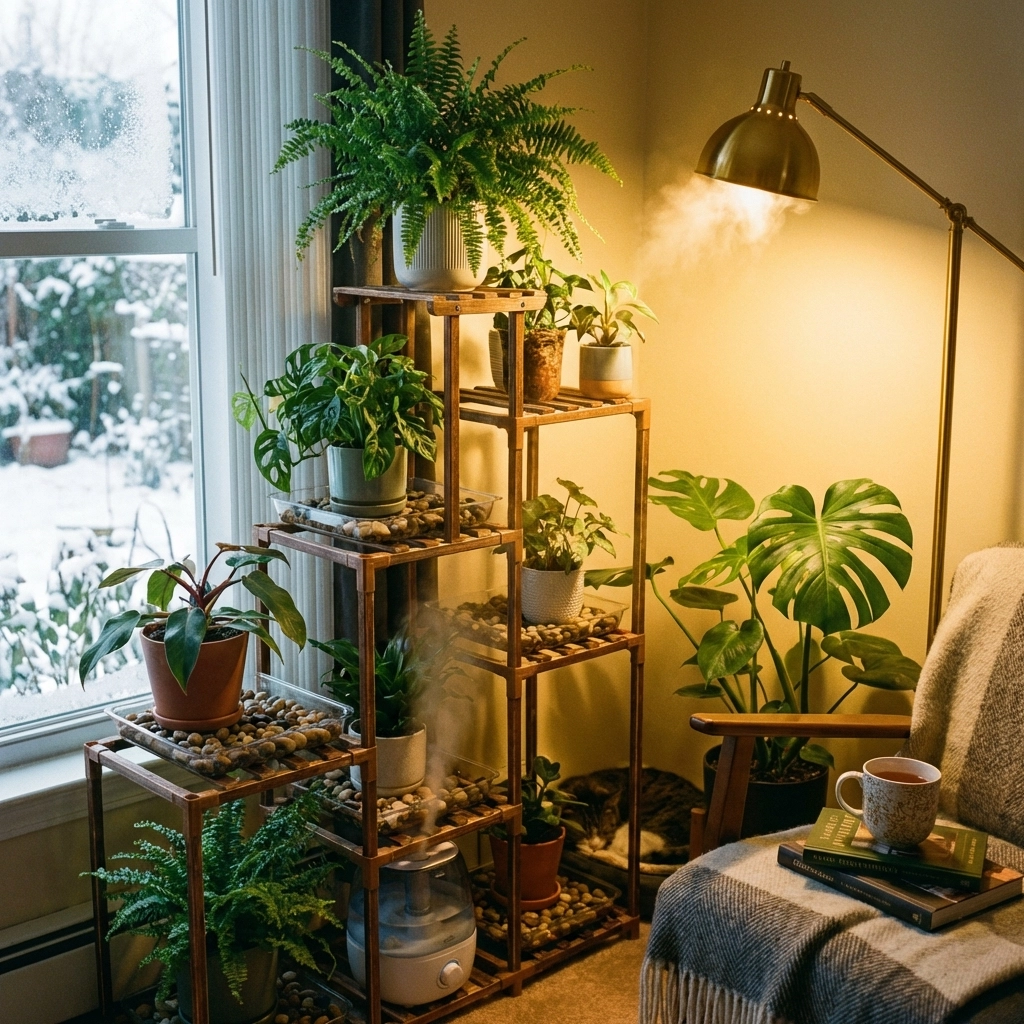
Simple humidity boosters:
Group plants together
Place pebble trays with water under pots
Use a humidifier in plant areas
Don't place plants directly next to heating vents
When to Get Help
Sometimes plants struggle despite your best watering efforts. Root rot, pests, or other issues might need professional attention.
If your plant keeps declining despite adjusting your watering schedule, or if you're not sure whether those mushy roots mean root rot, consider using a repotting service in Grand Island. Fresh soil and a health check can often save a struggling plant.
The Bottom Line
Winter plant care is about slowing down along with your plants. Check soil moisture with your finger, water less often but thoroughly, and pay attention to what each plant tells you.
Most plant problems in winter come from too much attention, not too little. When in doubt, wait an extra few days before watering. Your plants will thank you for matching their natural winter rhythm.
Remember: every plant, every home, and every winter is different. Start with the 10-21 day guideline, then adjust based on what you observe. Your finger and your plant's appearance are better guides than any rigid schedule.


Comments