

Best Beginner Houseplants for Nebraska Winters (Grand Island Friendly Picks)
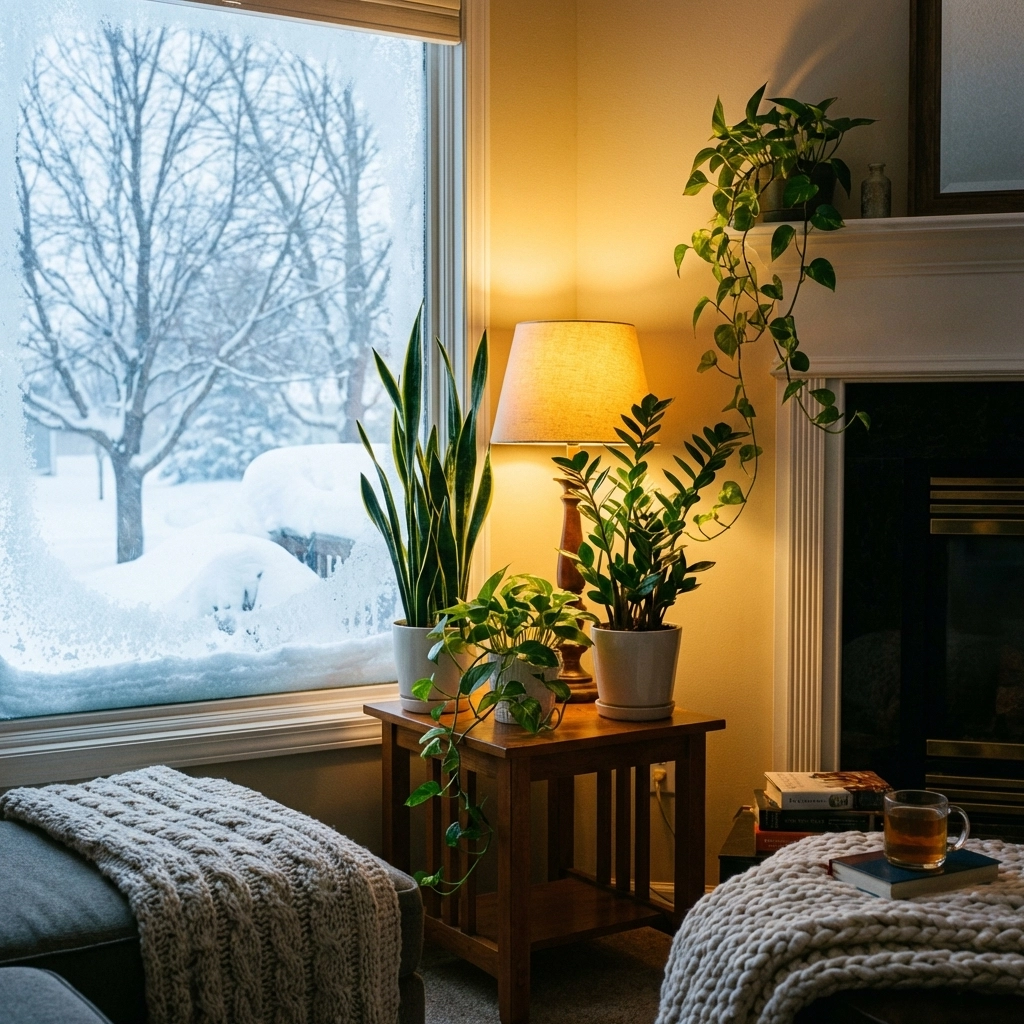
Nebraska winters can be brutal for houseplants. Between the dry furnace air, shorter daylight hours, and temperature swings, many plants struggle to survive indoors from November through March. But don't let that stop you from bringing some green into your Grand Island home.
The key is choosing plants that actually thrive in these conditions rather than fighting against them. Here are the best beginner-friendly options that can handle whatever Nebraska winter throws at them.
Why Nebraska Winters Are Tough on Plants
When your furnace kicks on, indoor humidity drops to desert-like levels. We're talking 10-20% humidity when most tropical houseplants prefer 40-60%. Add in the reduced daylight hours and colder temperatures near windows, and you've got a recipe for plant stress.
The good news? Some plants actually prefer these drier, lower-light conditions. These are the ones you want to start with.
Top 5 Beginner Plants for Nebraska Winters
Snake Plant (Sansevieria)
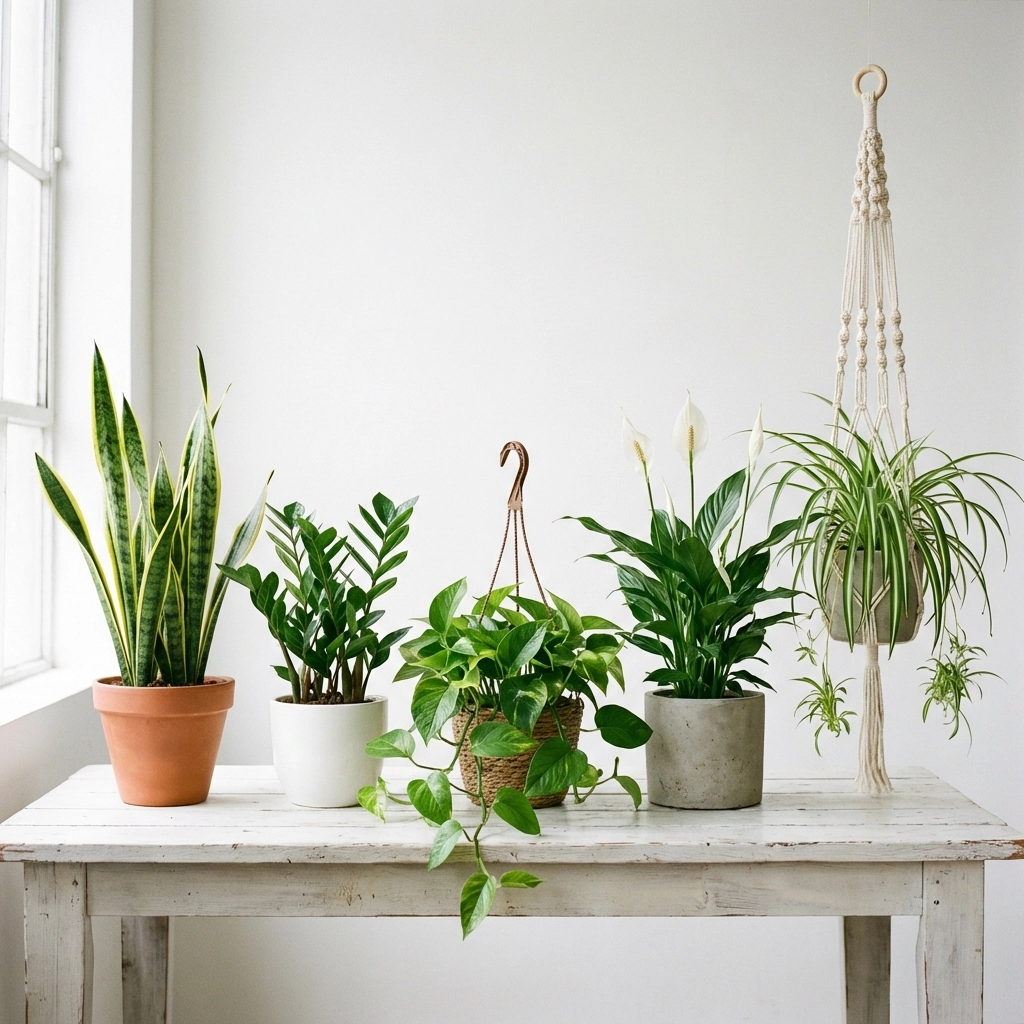
Snake plants are nearly indestructible. Their thick, waxy leaves store water, so they can go weeks without watering. They also tolerate low light and dry air better than almost any other houseplant.
The striped green and yellow leaves add visual interest without requiring any special care. They'll sit quietly in a corner and actually prefer to be ignored. Perfect for busy schedules or frequent travelers.
ZZ Plant (Zamioculcas zamiifolia)
If snake plants are nearly indestructible, ZZ plants might actually be indestructible. They store water in their thick stems and roots, making them incredibly drought-tolerant.
ZZ plants thrive in low light conditions, making them ideal for darker Nebraska homes during winter months. Their glossy green leaves stay vibrant even when other plants start looking sad.
Pothos
Pothos comes in several varieties: golden, marble queen, and jade to name a few. All are equally easy to care for and adaptable to indoor winter conditions.
These trailing plants look great in hanging baskets or on shelves where their vines can cascade down. They're also one of the fastest-growing houseplants, so you'll see results quickly.
Peace Lily
Peace lilies offer something most low-maintenance plants don't: flowers. Even in lower light conditions, they'll produce elegant white blooms throughout the year.
They're also excellent air purifiers, removing common indoor toxins. Peace lilies will actually tell you when they need water by drooping slightly: no guesswork required.
Spider Plant
Spider plants are classic starter plants for good reason. They produce baby plants (called plantlets) that you can propagate and share with friends. They're tolerant of irregular watering and various light conditions.
Their thin, arching leaves add movement and texture to any room. Plus, they're safe for pets if you have cats or dogs who like to nibble on plants.
Plants to Avoid as a Beginner
Some plants look tempting at the store but will likely struggle in Nebraska winter conditions:
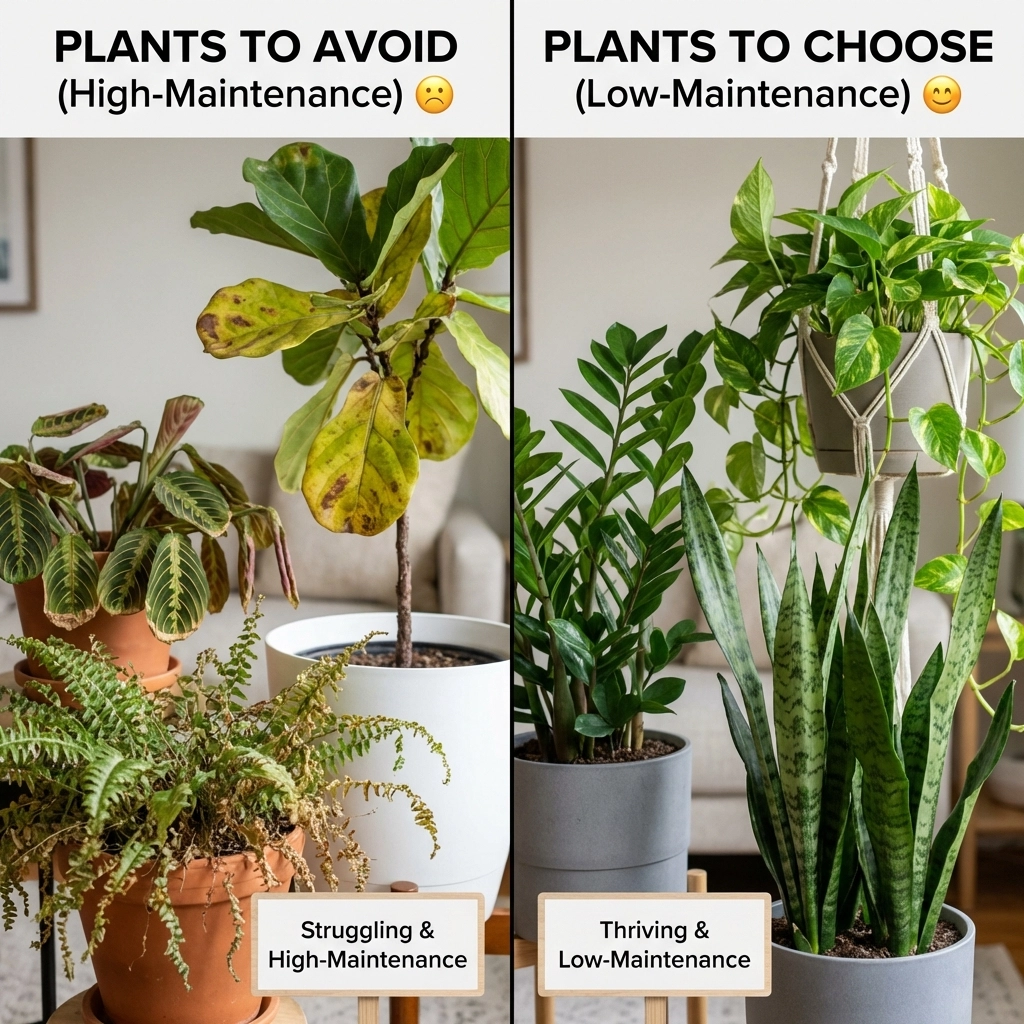
Boston Ferns need high humidity and consistent moisture. Your dry furnace air will cause them to drop leaves constantly.
Prayer Plants and Rex Begonias also crave humidity levels that are nearly impossible to maintain indoors during winter without a humidifier.
Gardenias require very specific conditions and are sensitive to temperature changes: not ideal for homes with fluctuating winter temperatures.
Fiddle Leaf Figs are Instagram-famous but notoriously fickle about light, water, and temperature changes.
Save these for when you've mastered the basics with easier plants.
Winter Care Tips That Actually Work
Water Less, Not More
The biggest mistake beginners make is overwatering during winter. Plants need far less water when they're getting less light and growing more slowly. Most plants prefer to dry out slightly between waterings.
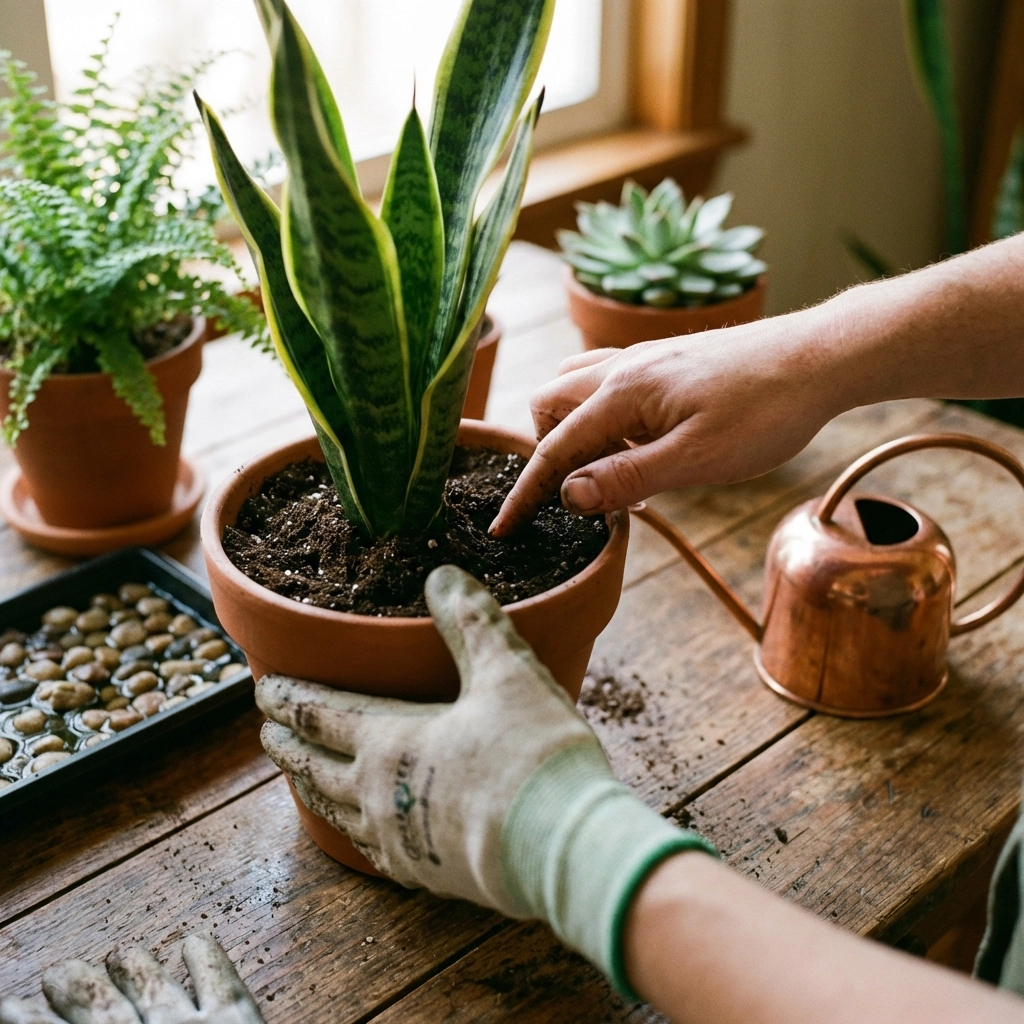
Stick your finger into the soil about an inch deep. If it feels dry, water thoroughly until water drains from the bottom. If it's still moist, wait a few more days.
Skip the Fertilizer
Plants don't need fertilizer during their dormant winter period. Too much fertilizer can actually stress plants that aren't actively growing. Save feeding for spring when daylight hours increase.
Don't Repot in Winter
Unless a plant is severely rootbound or sitting in soggy soil, wait until spring to repot. Plants prefer to stay put during their dormant period.
Find the Right Light
Most homes have less natural light during winter. Place plants near your brightest windows, but watch for cold drafts. South-facing windows typically provide the most consistent light.
Creating the Right Environment
Humidity Helpers
While you don't need to recreate a tropical rainforest, a little extra humidity helps. Group plants together: they create their own microclimate. You can also place a shallow dish of water near plants (but not directly underneath to avoid overwatering).
Temperature Matters
Keep plants away from heat vents and drafty windows. Most houseplants prefer temperatures between 65-75°F during the day and slightly cooler at night.
Shopping for Plants in Grand Island
When you're ready to start your indoor garden, choosing healthy plants from the beginning makes a huge difference. Look for plants with vibrant color, firm leaves, and no signs of pests or disease.
At VintageLeaf Boutique in Grand Island, you'll find carefully selected plants that are already acclimated to indoor conditions. The staff can also answer questions about care and help you choose plants that match your home's light conditions.
Many plant lovers from Hastings, Kearney, and other nearby towns make the trip to Grand Island specifically for the plant selection and local expertise.
Signs Your Plants Are Happy
Healthy plants in winter aren't necessarily growing rapidly: that's normal. Look for:
Leaves that maintain their color and don't drop excessively
Soil that dries out at a reasonable pace (not staying soggy for weeks)
No signs of pests like spider mites (tiny white spots) or fungus gnats (small flies)
When to Worry
Yellow leaves occasionally are normal, especially lower leaves on older plants. But if multiple leaves are yellowing quickly, you might be overwatering.
Brown, crispy leaf tips usually indicate low humidity or fluoride in tap water. Try using filtered water and grouping plants together.
Building Confidence with Easy Wins
Starting with the right plants builds confidence and prevents the discouragement that comes from watching expensive plants slowly die. Snake plants, ZZ plants, and pothos will reward you with steady growth and resilience.
Once you've successfully kept a few plants alive through a Nebraska winter, you can gradually try more challenging varieties. But there's no shame in sticking with the easy ones: they're popular for good reason.
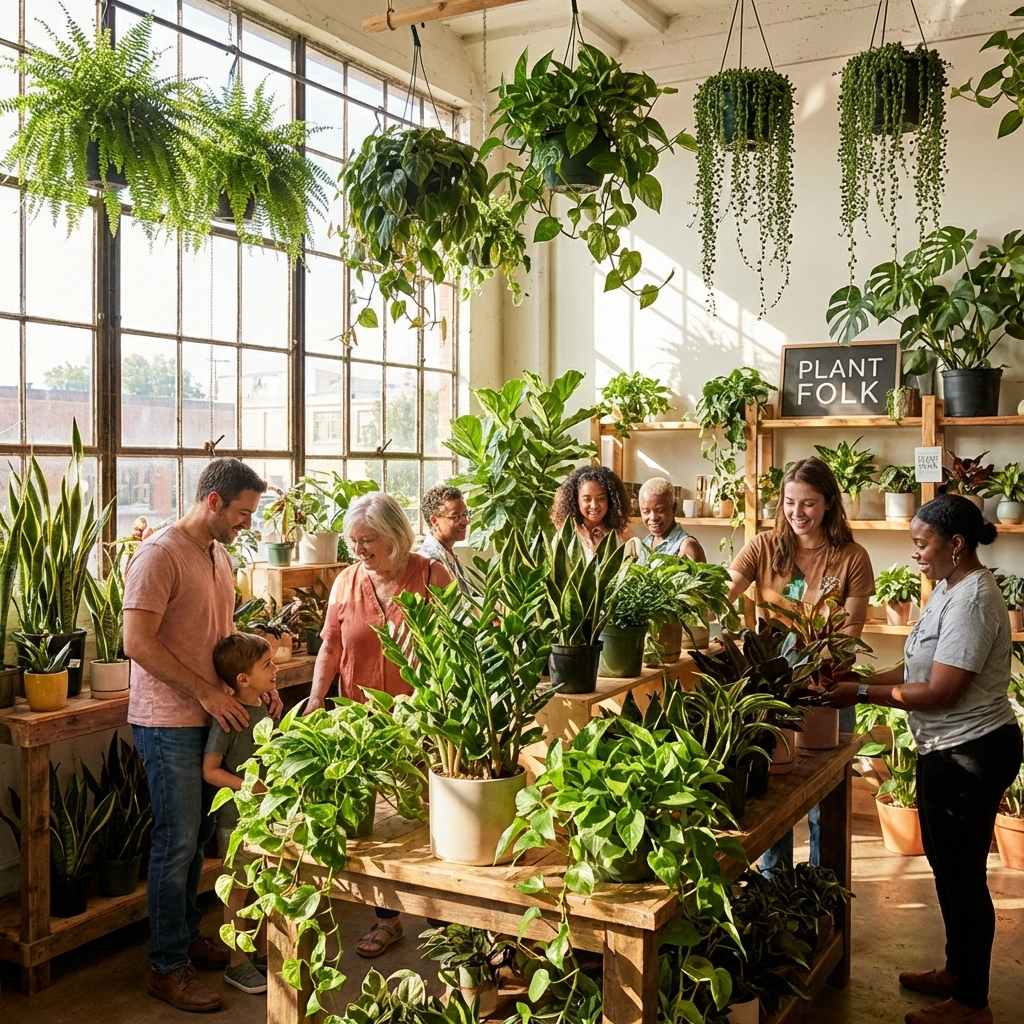
The goal is creating a space you enjoy, not proving anything to anyone. Whether you end up with one thriving snake plant or a collection of houseplants in Grand Island, NE, you're adding life and color to your home during the longest, coldest months of the year.
Getting Started This Week
Pick one plant from the beginner list above. Choose based on where you want to put it: snake plants for darker corners, pothos for bright hanging spots, peace lilies for medium light areas.
Buy a pot with drainage holes if the plant doesn't come in one. Get a small bag of regular potting soil. That's it.
Start simple, learn as you go, and remember that even experienced plant parents kill plants sometimes. The difference is they don't let it stop them from trying again.
Your Nebraska winter just got a little greener.


Comments